Symbolism of the Seven Classical Planets
Exploring the archetypal journey through the celestial bodies visible to the naked eye.
The Geocentric Foundation
Historically, the "seven planets" included the Sun and Moon alongside Mercury, Venus, Mars, Jupiter, and Saturn. Known as the classical planets, these bodies formed the basis of astrological study for millennia, representing different facets of the human experience and the rhythms of nature throughout various cultures, from Babylon to the Renaissance.
The Luminaries: Sources of Light
The Sun (Sol)
Representing the conscious self, vitality, and the core essence of being. In mythology, the Sun is often the hero's journey, the Apollo or Ra presiding over the day.
The Moon (Luna)
Symbolizing the subconscious, emotions, and the rhythmic cycle of growth. Associated with Artemis or Selene, it governs the inner world and the nurturing instinct.
The Personal Archetypes
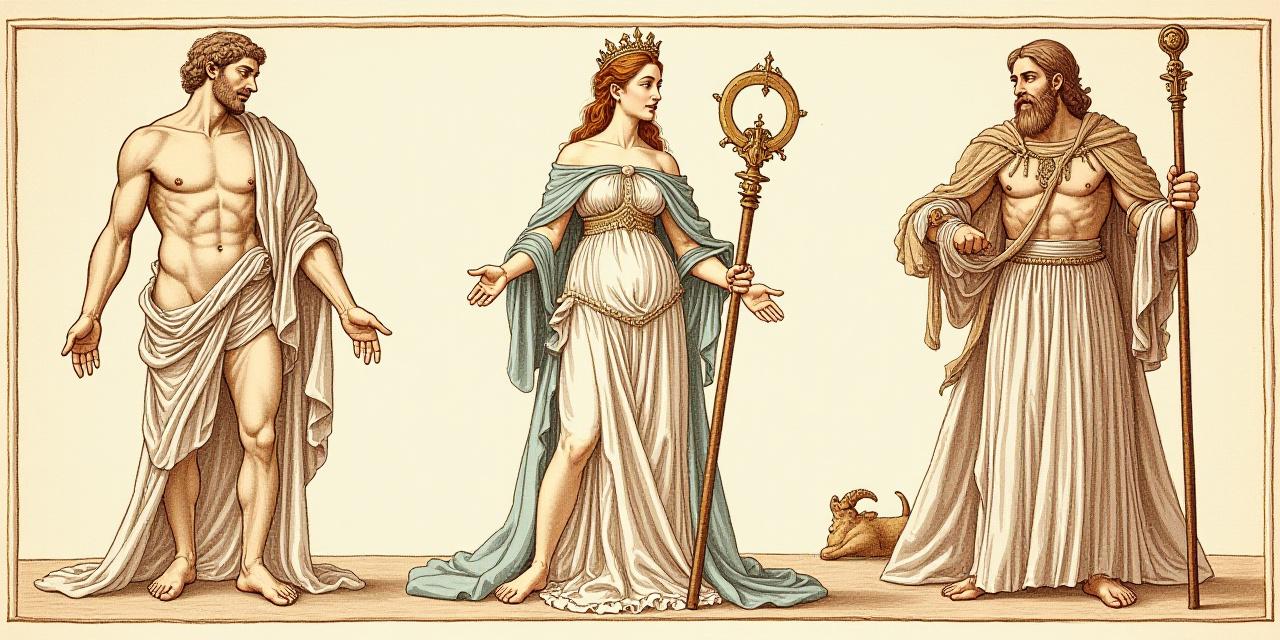
Mercury
The messenger of the gods. It represents communication, intellect, and the movement of information across boundaries.
Venus
The embodiment of beauty, relationship, and value. In classical thought, it represents the force of attraction and artistic harmony.
Mars
The principal of action, drive, and courage. Associated with the Greek Ares, it represents the protective and pioneering spirit.
The Social Guardians
Jupiter: The Great Benefic
Jupiter represents expansion, philosophy, and prosperity. Historically linked to Zeus, it signifies the search for meaning and the abundance of the natural world.

Saturn: The Great Malefic
Saturn signifies structure, time, and limitation. Often depicted as Father Time (Chronos), it represents the necessary boundaries and lessons learned through discipline.
